

Author: Carlos Quispe – Rights Program
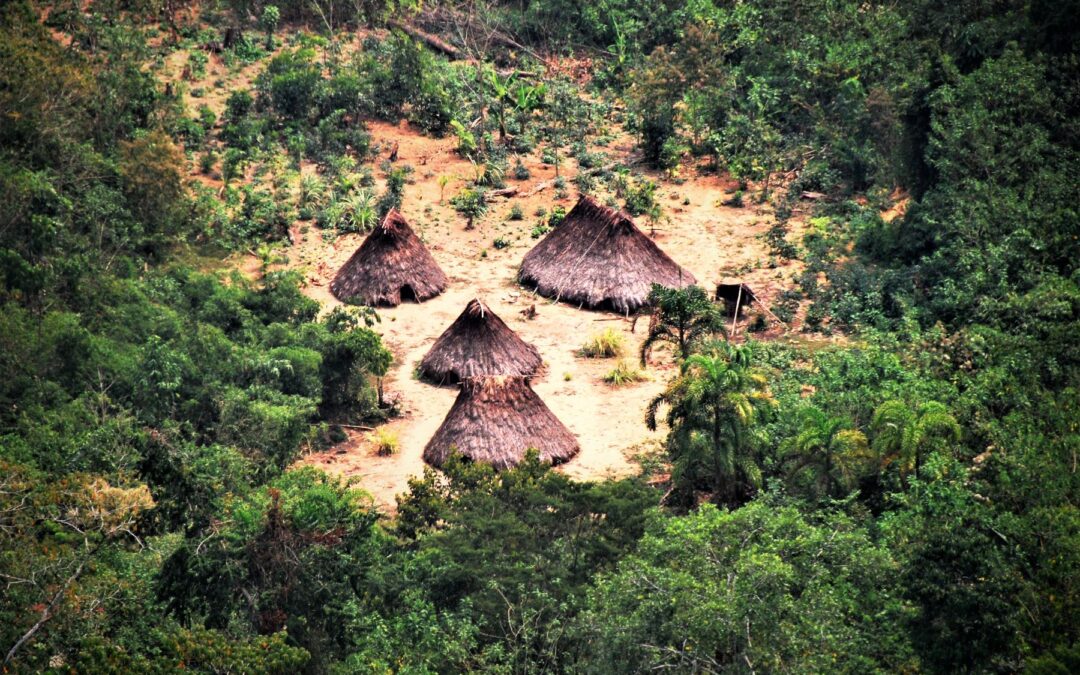
May 18, 2026, marked two decades since the publication of Law No. 28736, the Law for the Protection of Indigenous or Native Peoples in Isolation and Initial Contact (better known as the PIACI Law). This legislation established the Special Cross-Sectoral Regime for the protection of these peoples, particularly safeguarding their rights to health, life, and integrity. Although it was a regulation that arrived late, it nevertheless represented an unprecedented breakthrough in the legal recognition of the most vulnerable peoples of the Peruvian Amazon. Twenty years later, the balance is marked by institutional progress that is, however, overshadowed by relentless territorial pressures.
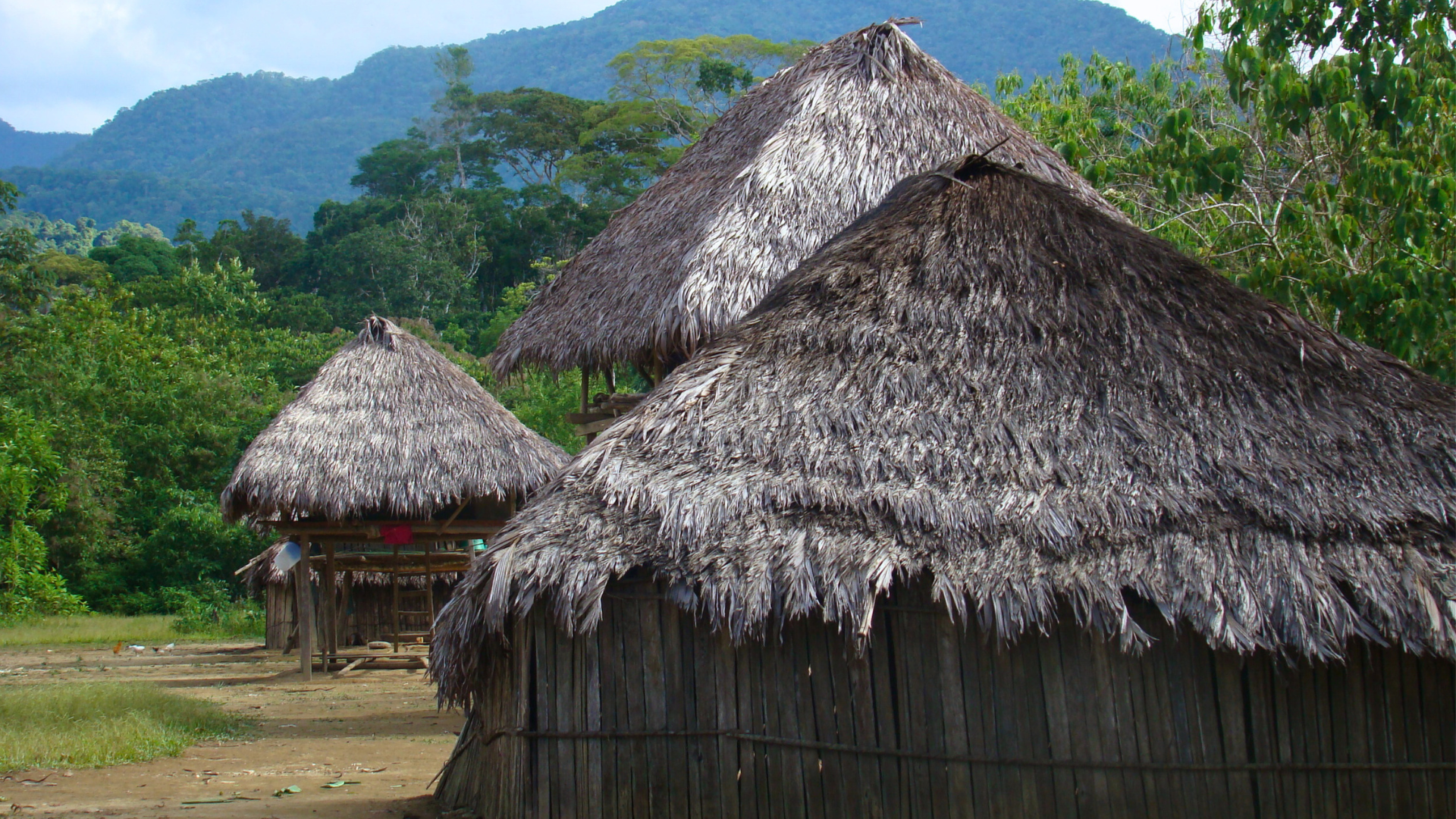
Photo: Ministry of Culture
A Milestone That Did Not Come For Free
The approval of the PIACI Law in May 2006 did not occur in a vacuum. It was the result of years of demands by Indigenous organizations led by the Interethnic Association for the Development of the Peruvian Rainforest (AIDESEP), sustained work by civil society—including Derecho, Ambiente y Recursos Naturales (DAR)—and a specific geopolitical context: the Camisea gas project, whose concession was granted in the year 2000.
It was precisely within the framework of this hydrocarbon project that the Inter-American Development Bank (IDB) established twenty-one commitments as a condition for financing. Two of these commitments included standards for the protection of PIACI within the Kugapakori Nahua Nanti and Others Territorial Reserve (RTKNN). This interest arose due to the overlap of the hydrocarbon lot with PIACI territory, which prompted the approval of Supreme Decree No. 028-2003-AG. This decree established the creation of the RTKNN, banning any type of extractive economic activity, except for those already existing within it (the aforementioned gas project).
In previous research, I have documented this legislative development process, which can trace its background much further back, such as to the 1980s and the situation of forced contacts between the Matsigenka-Nanti population and workers from the Anglo-Dutch company Royal Dutch Shell, as well as with illegal loggers and evangelical missions, among others (Barclay and García Hierro, 2014: 32). Thus, some key actors have suggested that «the entire PIACI institutional protection framework was only activated due to the IDB conditions.» This implies that interest in protecting these peoples emerged as secondary to the need to secure the development of the gas project and avoid future legal setbacks (Quispe, 2021: 157). This does not detract from the legislative outcome, but it does contextualize it, showing that PIACI protection was not the primary driver of the process, but rather, in part, a requirement of multilateral banking pressured by Indigenous organizations and civil society.
Furthermore, the legislative process was tense and revealed the interests at stake. The Congressional Amazon Commission approved a text that weakened the Executive’s original bill: it eliminated key provisions regarding the institutional implementation of the special regime, reduced Indigenous and civil society participation, and introduced the possibility of authorizing extractive activities in Indigenous Reserves for reasons of «public necessity»—an exception that directly contradicts the principle of strict intangibility (Gamboa, 2007; Gamboa and Santillán, 2006; Quispe, 2021).
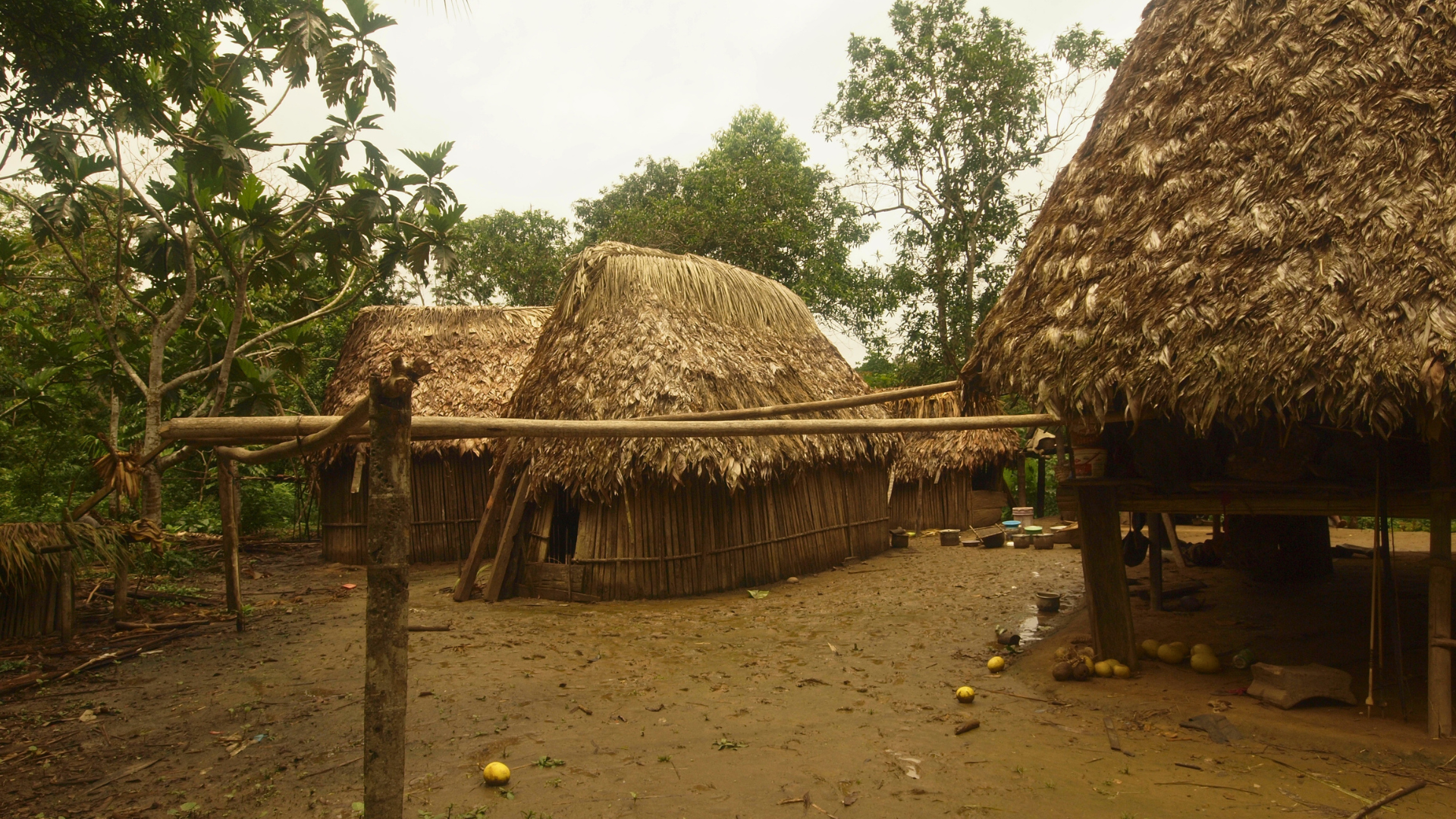
Photo: Ministry of Culture
Two Decades of Institutional Frameworks and Their Structural Limits
Despite its flawed origins, the PIACI Law and its Regulations (approved in 2007 and amended in 2016) allowed for the consolidation of a specific institutional framework. Today, the Ministry of Culture has the Directorate of Indigenous Peoples in Situation of Isolation and Initial Contact (DACI), which registers approximately 4,900 people in isolation and 2,100 in initial contact, distributed across Loreto, Ucayali, Huánuco, Cusco, and Madre de Dios. During this same period, eight Indigenous and Territorial Reserves were created, and five additional requests are being processed at the close of this period (Ministry of Culture of Peru, 2025).
The creation of Indigenous Reserves is no minor feat. As a legal mechanism, they aim to guarantee the principles of non-contact and territorial intangibility. Their existence has had an effect that deserves precise recognition: although the regime was not designed to limit extractive activity (as evidenced by the maintenance of relative intangibility), their creation and enforcement have operated, in practice, as a factor shaping the territorial layout of concessions and projects—at least regarding existing reserves. This is completely different for those in the process of creation, which precisely reflect the consequences of disorderly land occupation and poor national planning.
A notorious example of this is the case of the Kakataibo North and South Indigenous Reserve. The request was submitted in 1993, and the process took nearly thirty years until the publication of its creation decree in 2021. During this period, various mining and forestry concessions settled in the requested territory, explaining why this reserve ended up divided into two (2) sections, facing latent threats related to drug trafficking and river pollution. This situation was recently addressed by the Inter-American Commission itself in Resolution No. 13/2026, granting Precautionary Measures No. 236-23 in favor of the aforementioned people.
Another deeply worrying phenomenon over these twenty years is the persistence and resurgence of discourses that deny the very existence of the PIACI. These discourses are neither new nor spontaneous; they date back to the debate over the PIACI Law itself in 2006, when Perupetro officials claimed that uncontacted peoples were like the «Loch Ness Monster,» and former members of Congress questioned whether the goal was for «the Indigenous person to remain Indigenous and not progress» (Quispe, 2022: 35). What these discourses share is a denial of the coevalness and agency of these peoples: they are placed in a pre-modern time template from which the State must «bring them development,» rather than recognizing that their situation is the result of concrete historical, political, and economic processes (Quispe, 2022).
What is alarming is that these arguments reemerged with renewed force between 2020 and 2022. They were articulated by regional government candidates and representatives of extractive sectors who co-opted the legitimate demands of populations impoverished by the COVID-19 pandemic to artificially pit them against PIACI protection. Statements from the Regional Government of Loreto, regional candidates, and others accused the PIACI Law of «benefiting NGOs» and halting regional development (Quispe, 2022, Table 1). What these discourses omit is that social gaps were not caused by the PIACI Law; they were caused by decades of exclusion, corruption, and deficient public management.
What the Anniversary Demands
The most concrete threat to PIACI Reserves is not discursive: it is territorial and, in many cases, criminal. Illicit economies have systematically expanded their borders into the reserves. Added to this are road infrastructure projects which, contradicting their «national interest» labels, fuel the advancement of illegal activities.
In contrast, alternatives exist, such as the proposals for PIACI territorial corridors developed by AIDESEP and its regional organizations (AIDESEP, 2018). These provide concrete tools to scale protection beyond an atomized, reserve-by-reserve management approach. Coordinating with neighboring native communities and recognizing that the forced displacement of peoples in isolation is a symptom of territorial pressure (and not a spontaneous desire for contact) are premises that must guide public policies.
However, none of these opportunities are viable without two conditions. The first is budgetary: the Ministry of Culture’s DACI operates with insufficient resources to manage eight reserves, push forward five pending requests, and set up effective territorial surveillance systems. As of 2024, only two of the eight reserves have active management committees, and only one has an active protection plan (Ministry of Culture of Peru, 2024). The second condition is political: the Peruvian State must recognize that delays in creating reserves, tolerance toward overlapping third-party rights, and silence regarding illicit economies within PIACI areas are not management failures. They are decisions made, by action or omission, in favor of specific economic interests.
Despite everything, opportunities exist. The territorial protection of Indigenous Reserves was recognized in Phase I of Peru’s Nationally Determined Contributions (NDC) as part of climate change mitigation actions. It constitutes a fundamental component of Guideline 10 of the National Climate Change Strategy, with a specific target of 3,127,009 hectares of allocated reserves by the year 2025. This positions Indigenous Reserves not only as human rights protection instruments but also as climate policy tools. Therefore, weakening them compromises not only the survival of the PIACI but also the international credibility of the Peruvian State regarding its climate commitments.
Given the above, the anniversary of the PIACI Law is not an occasion for celebration. It is an occasion for stocktaking followed by accountability. Twenty years after its enactment, the Peruvian State cannot invoke the novelty of the law to justify its shortcomings. The Inter-American Court of Human Rights (IACHR) recently pointed out in its ruling on the case Tagaeri Taromenane vs. Ecuador that the protection of PIACI is a non-retrogressive obligation, and that prioritizing an extractive model over their survival constitutes a violation of human rights. Peru has reserves, laws, and institutions: what has been lacking for twenty years is the political will to make it all work.
References:
- AIDESEP (2018). Informe sobre la situación de los pueblos en aislamiento y contacto inicial en la Amazonia peruana. Lima: AIDESEP.
- Barclay, F. and P. García Hierro (2014). La batalla por los Nanti. Intereses y discursos superpuestos a favor de la extensión de la Reserva Territorial Kugapakori, Nahua, Nanti y Otros. Copenhagen: IWGIA.
- Inter-American Commission on Human Rights (2026). Resolution No. 13/2026, granting Precautionary Measures No. 236-23 in favor of the Members of the Kakataibo Indigenous People in Situation of Isolation living in the Kakataibo North and South Indigenous Reserve located in the departments of Ucayali, Huánuco, and Loreto (Peru).
- Inter-American Court of Human Rights (2025). Case of the Tagaeri and Taromenane Indigenous Peoples vs. Ecuador. Merits, Reparations and Costs. Judgment of September 4, 2024. Published on March 13, 2025. San José: IACHR.
- Derecho, Ambiente y Recursos Naturales (DAR) (Ed.). Hacia una reglamentación de la Ley N° 28736, Régimen Especial Transectorial de Protección a favor de Pueblos Indígenas en Aislamiento y en Contacto Inicial. Lima: DAR. https://www.dar.org.pe/archivos/publicacion/27_hacia_reglamentacion.pdf
- Gamboa, C. (2007). Reservas territoriales del State a favor de pueblos indígenas en aislamiento voluntario o contacto inicial. Lima: DAR. https://www.dar.org.pe/archivos/publicacion/28_reservas_territoriales.pdf
- Gamboa, C. and A. Santillán (2006). Régimen Especial Transectorial de Protección a favor de Pueblo Indígenas en Aislamiento y en Contacto Inicial. La Relación entre los pueblos indígenas aislados y los recursos naturales a la luz de la Ley N° 28736. Lima: DAR. https://dar.org.pe/archivos/REGIMEN%20ESPECIAL%20TRANSECTORIAL_B.pdf
- Ministry of Culture of Peru (2025). Resumen de información sobre el estado de la gestión de las Reservas Indígenas establecidas y superposición de derechos de terceros en RI y áreas referenciales [Response document to public information access requests]. Lima: Ministerio de Cultura del Perú.
- Quispe, C. (2021). Derechos de los Machiguenga-Nanti en contacto inicial de la RTKNN y su relación con su supervivencia física y cultural. Lima: DAR. https://dar.org.pe/wp-content/uploads/2024/08/Libro-CQD_DERECHOS.pdf
- Quispe Dávila, C. (2022). ¿Otra vez a lo mismo?: Confluencia entre discursos antiderechos y las crecientes presiones sobre territorios de pueblos en situación de aislamiento y contacto inicial. DAR Opina. https://dar.org.pe/wp-content/uploads/2022/11/Articulo_CarlosQuispe_PIACI..pdf